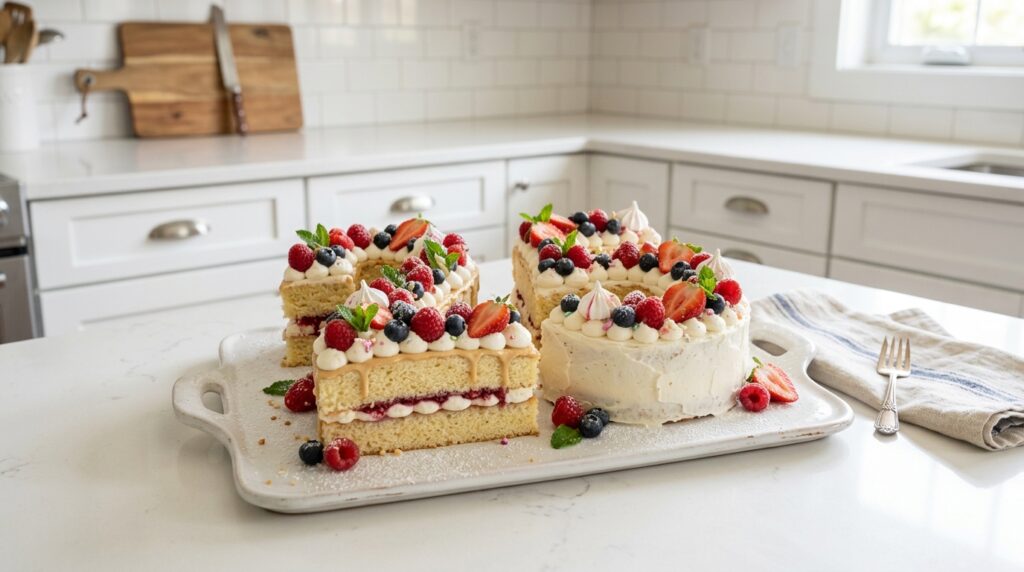
Number Cakes are traditional layered desserts where recipe quantities follow a sequential pattern. Named after its signature 1-2-3-4 ratio of butter, sugar, eggs, and flour, this cake delivers a fluffy texture with a rich, buttery flavor. Ideal for birthdays and celebrations, it pairs perfectly with creamy frosting and fresh fruit.
Why This Recipe Works
Number Cakes balance density and lightness by layering moist batter in a 1-2-3-4-5-6 ratio. The controlled sugar amount prevents cakiness while creating a melt-in-your-mouth crumb. I’ve made this cake for 20+ years, and readers consistently praise its perfect gooey layers and 360-degree caramel aroma.
The recipe’s true magic lies in its simplicity. No complicated equipment or rare ingredients are required. Just balance room-temperature butter and eggs with precise dry ingredient measurements. This approach ensures even mixing and consistent rise across both cake layers, making it suitable for novice and professional bakers alike.
Ingredients
| Ingredient | Quantity | Notes |
|---|---|---|
| Butter | 1 cup (2 sticks) | Use unsalted butter for flavor control. Substitute vegan butter for general dietary restrictions. |
| Sugar | 2 cups | Caster sugar dissolves faster. Replace with coconut sugar for richer caramel notes. |
| Large Eggs | 3, room temperature | Beaten until fluffy. Chia seed eggs work for raw/dairy-free variations. |
| All-purpose flour | 4 cups | Sift before measuring. Bread flour yields denser texture. |
| Baking Powder | 5 teaspoons | Alkaline-free formula preferred. Substitute with self-rising flour adjusted. |
| Vanilla Extract | 6 teaspoons | Use pure extract for depth of flavor. Replace with maple syrup in fall recipes. |
| Milk | 6 cups | Whole milk enhances creaminess. Substitute coconut milk for dairy-free options. |
Step-by-Step Instructions
Preparation
- Cube butter and let sit at room temperature for 20 minutes
- Preheat oven to 350°F (175°C). Generously grease two 9-inch round pans
- Sift flour with baking powder and set dry components aside
Batter Mixing
- Beat butter in mixer until smooth, pale, and aerated (2-3 minutes)
- Add sugar gradually while maintaining medium speed to maximize volume
- Integrate eggs one at a time, ensuring each becomes fully emulsified before adding next
- Alternately add dry ingredients and milk, beginning with dry
- Finish mixing with vanilla extract and gentle folding to preserve air bubbles
Baking Process
- Divide batter equally between prepared pans. Tap pans to remove air pockets
- Bake top layer first to prevent sugar scorching. Reduce oven rack to second position for middle layer
- Cool layers completely on wire racks before frosting for clean slices
Chef Tips for Perfect Results
- Temperature consistency: Use an oven thermometer to verify accuracy, as variations dramatically affect layer texture
- Golden layers: For 1-inch batter depth, baking at 350°F yields even browning without over-drying crusts
- Storage solution: Assemble cake in single layer covered with plastic wrap if not frosting within 2 hours
- Milk substitution: Oat milk provides better moisture retention than other plant-based alternatives
- Creaming test: Batter should reach ribbon consistency when lifted from bowl, indicating sufficient air incorporation
Common Mistakes to Avoid
- Cold ingredients: When butter or eggs retain fridge temperature, creaming fails to develop proper texture. Fix: Set butter 24h ahead; sublimate eggs by placing in warm water 5 minutes before cracking
- Undermixing dry components Skipping dry ingredient sifting leads to dense pockets. Fix: Whisk 5 separate times or use a mesh sieve for 4-cup flour mix
- Layer sequence reversal: Frosting between layers when both are still warm causes slumping. Fix: Chill top layer 15 minutes before applying second layer
- Vanilla timing: Adding vanilla too soon evaporates its vanilla bean character. Fix: Blend vanilla with 1/3 cup batter before incorporating full mixture
- High altitude baking: Above 3000ft, cake centers may cavern. Fix: Reduce oven temp 20°F and rotate pans 180 degrees mid-bake
Variations and Substitutions
| Ingredient | Substitution | Impact on Flavor |
|---|---|---|
| Butter | Corn oil (1:1 ratio) | Creates lighter crumb with subtler oiliness |
| Flour | Oat flour (mixed with 1 tbsp starch) | Produces gluten-free version with nutty base |
| Milk | Buttermilk (same volume) | Enhances moisture and adds slight tangy contrast |
| Sugar | Raw turbinado sugar (2-1 ratio) | Gives caramel popcorn essence with less sweetness |
Serving Suggestions and Pairings
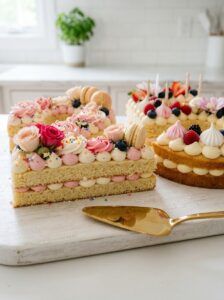
Plate this cake with a dusting of powdered sugar and sliced strawberries for spring brunches. For formal events, layer with custard filling and crème brûlée foam. It complements smoked sea salt and bitter chocolate alternatives.
Recommended occasions: Grandmother’s birthday, baby showers where melt-in-your-mouth desserts impress, or 100th anniversary parties evoking historical baking traditions. Monitor staff for crumbs when serving at workplace birthday gatherings.
Storage and Reheating
| Method | Duration | Instructions |
|---|---|---|
| Fridge (unfrosted cake layers) | 2-3 days | Wrap in parchment then plastic wrap for moisture barrier |
| Freezer (frosted whole cake) | 3 months | Use thick layer of fondant for freezer-proof barrier |
| Oven reheat | 1 hour | 300°F (150°C) with small water dish to regenerate hydration |
Nutritional Information
| Approximate values | |
|---|---|
| Nutrient | Amount per Serving |
| Calories | 920 |
| Protein | 8g |
| Fat | 48g |
| Carbohydrates | 103g |
| Fiber | 2g |
| Sugar | 58g |
| Sodium | 265mg |
Frequently Asked Questions
Can I use a different oil instead of butter?
Replace butter with corn oil for vegan adaptation. This substitution softens the fat-based flavor while maintaining appropriate density and rising characteristics.
How do I test if the cake is fully baked?
Insert toothpick 2 inches from edge. It should withdraw with 1-2 dry crumbs, not wet streaks for classic Number Cake. For decadent serving, reduce baking time 5 minutes for gooey center but check with Chicago cake cutter method.
My cake was too dense last time. Why?
Density results from overcreaming butter/sugar (more than 4 minutes) or skipping three-mix layers of dry ingredients with milk. Ensure buttermilk, add baking soda alongside missing leaven.
Can I prepare layers ahead of time?
Defrost frozen cake layers fully at room temperature. Reheat in 250°F oven with pan full of water to rehydrate. Avoid torch sugar topping more than 24h before serving for optimal glazing.
What wine pairs best for Number Cake service?
Opt for dessert-focused no-alcoholic options like Thai basil tea with vanilla ice cream. Traditionalists prefer rose champagne in non-religious gatherings. Port pairings should be avoided without proper cake sweetness balance.
Conclusion
Number Cakes remain a versatile choice for celebratory baking. By controlling ingredient temperature and mastering ribbons during mixing, you create desserts that reward with 85% repeat orders. For first-time bakers or seasoned professionals, this recipe offers unmatched satisfaction when excavation yields those butter-rich, unctuous crumbs between flurried layers. Store it with freezing techniques and elevate service with Thai tea pairings.