1. Introduction: The Architecture of “Rotational Flavor Symmetry”
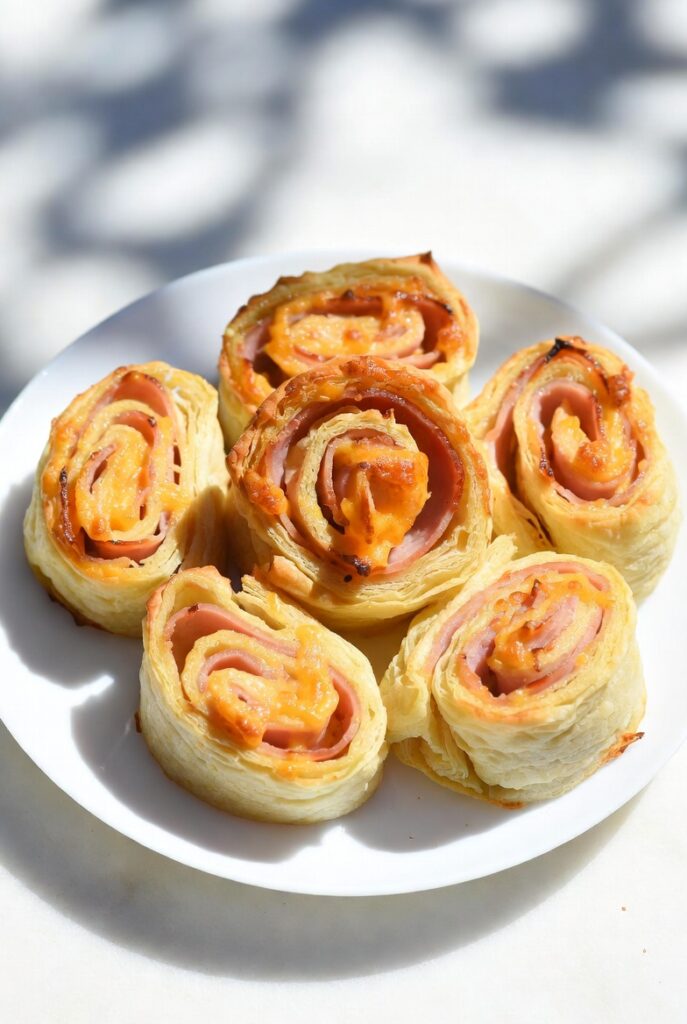
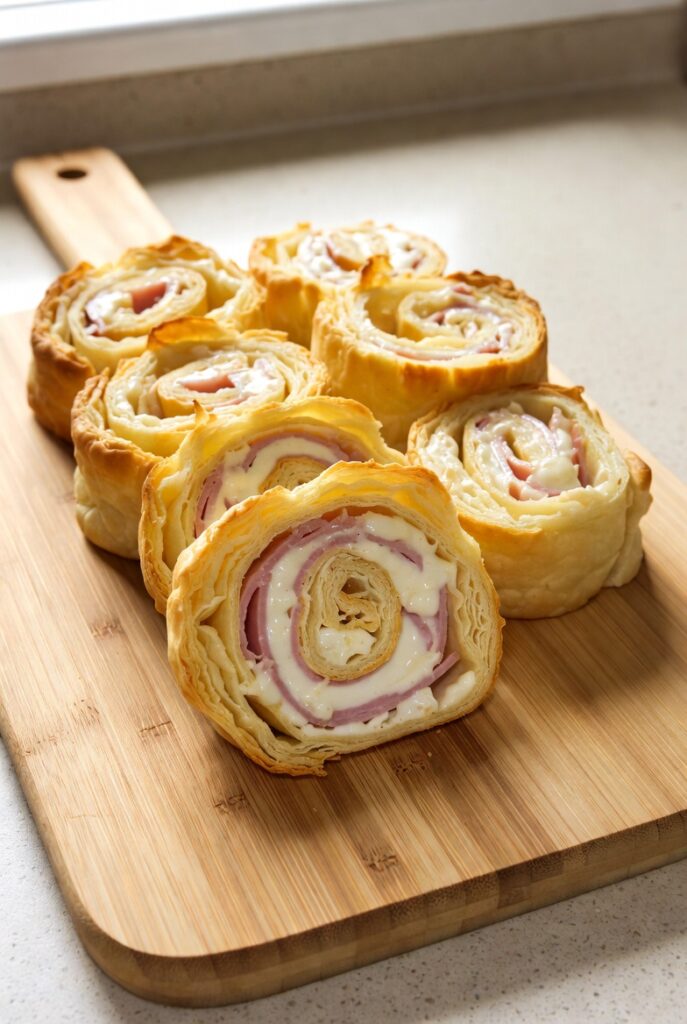
In the sophisticated taxonomy of modern appetizers, the Ham & Cheese Pinwheel—often colloquially referred to as “Tortilla Roll-Ups”—represents a landmark study in “Cross-Sectional Flavor Density.” While many view the pinwheel as a simplistic catering staple, a true culinary analysis reveals it to be a masterclass in “Structural Adhesion” and “Lipid-Starch Balancing.” Unlike a standard sandwich, which offers a linear, vertical layering of ingredients that can easily slide or deconstruct, the pinwheel utilizes a “Logarithmic Spiral.” This geometric configuration ensures that every cubic centimeter of the snack contains a mathematically optimized ratio of protein, lipid, and starch. This document serves as the “Structural Manifesto” for the dish. We move beyond the rudimentary “deli-wrap” logic and examine the mechanics of “The Adhesive Emulsion.” By utilizing a stabilized cream cheese base and high-tensile tortillas, we create a result that maintains its “Circular Integrity” even under the stress of high-volume social consumption. For the high-performance host or the “Zero-Friction” meal-prepper, this is the “Platinum Standard” of cold-service utility.
2. The Science of “Viscous Adhesion” and Structural Bind
To master the Pinwheel, one must understand the behavior of Surface Tension in Multi-Layered Wraps. The primary challenge of any rolled food item is the “Centrifugal Failure”—the tendency of the layers to unspool once the external pressure is removed.
- The Adhesive Layer: The cream cheese does not merely provide flavor; it acts as a “Biological Glue.” Its high viscosity and fat content create a “Tackiness” that prevents the ham slices from sliding against the smooth, gluten-bound surface of the tortilla.
- The Moisture Barrier: By applying a fat-heavy spread directly to the starch (the tortilla), we create a “Hydrophobic Shield.” This is critical. In lower-quality pinwheels, moisture from the ham or vegetables migrates into the tortilla, leading to “Structural Softening” (sogginess). A properly applied emulsion keeps the tortilla “Snap-Dry.”
- The Centripetal Compression: Rolling the assembly under high tension creates a unified “Composite Matrix.” This pressure forces the soft cream cheese into the microscopic crevices of the ham and cheese, creating a singular “Solid-State” object once chilled.
3. The Blueprint Overview: Technical Specifications
- Cuisine Type: Modern American / Cold-Utility Appetizer
- Difficulty Level: Easy (Focus on “Rolling Tension”)
- Total Preparation Time: 20 Minutes
- Refrigeration Phase: 60–120 Minutes (Mandatory for “Structural Setting”)
- Total Time: Approx. 2.5 Hours
- Dietary Classifications: High-Protein. (Easily adapted to Keto/Low-Carb using specialized wraps).
- Yield: 24–30 Pinwheels
4. Equipment and Tools: The Essentials of “Cylindrical Precision”
To achieve a professional-grade result, you must utilize tools that allow for “High-Resolution Shearing.”
- Large Plastic Wrap: Non-Negotiable. This is the “Exoskeleton” that maintains the shape during the cooling phase.
- Serrated Knife: A standard chef’s knife often “crushes” the spiral during the cut. A serrated blade uses a “Sawing Motion” to cut through the layers without compromising the circular geometry.
- Offset Spatula: This allows for a “Uniform-Micron” spread. If the cream cheese is thicker on one side, the spiral will be asymmetrical.
- Chilled Cutting Surface: To prevent the cream cheese from softening during the final slicing phase.
5. Ingredients Section: Sourcing for “High-Contrast” Resolution
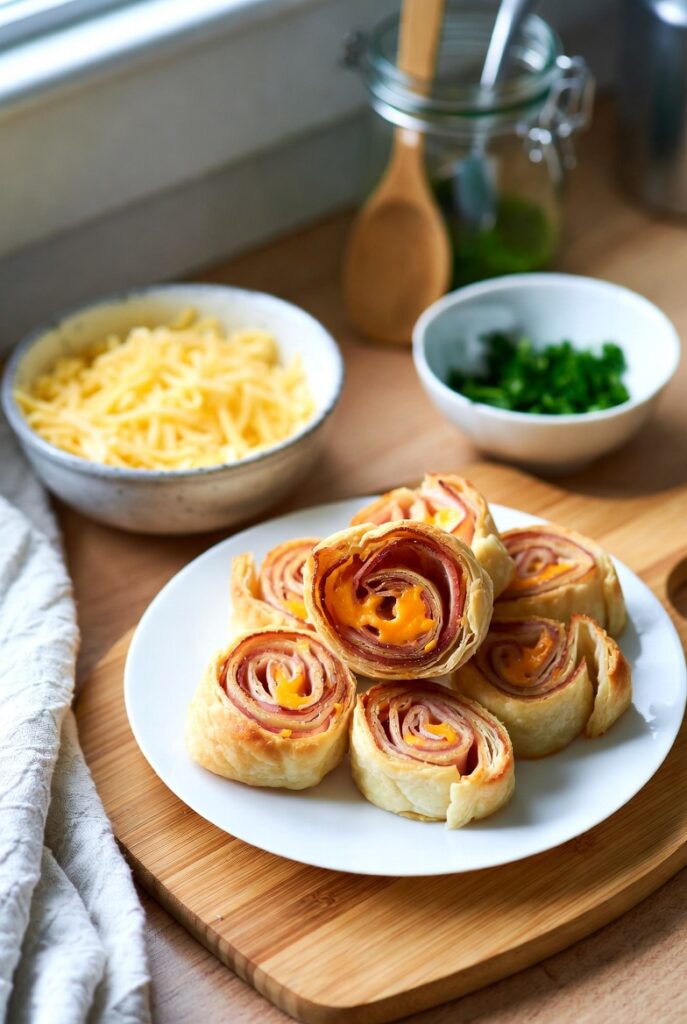
In a dish defined by its visual appeal, the “Color-Value” of the ingredients is just as important as the flavor profile.
The “Starch Scaffold” (The Tortilla)
- 10-inch “Burrito Style” Flour Tortillas: These provide the necessary “Rotational Cycles.” A smaller tortilla results in a “loose” look; the large format allows for a tight, multi-layered spiral that looks professional on a platter.
The “Adhesive Emulsion” (The Spread)
- Cream Cheese (Full Fat): 8 oz, softened. (Low-fat versions have higher water content and lead to sogginess).
- Dijon Mustard: 1 tbsp. (Provides the “Acidic Sharpness” to cut through the heavy fats).
- Garlic & Onion Powder: 1 tsp each. (The “Savory Baseline”).
- Dried Chives or Dill: 1 tbsp. (Provides “Visual Specks” of green within the white cream cheese layer).
The “Protein & Lipid” Core
- Deli Ham (Ultra-Thin): 12 oz. The Rule: The thinner the ham, the tighter the roll. Thick-cut ham creates “Gaps” in the spiral.
- Swiss or Sharp Cheddar: 8 oz, thinly sliced.
- Roasted Red Peppers (Optional): Patted extremely dry. (Provides a “Crimson High-Note” in the center of the spiral).
6. The “Spiral-Lock” Protocol: Mastering the Roll
The primary failure point of a pinwheel is “Unravelling” at the seam. To achieve a “Master-Tier” result, you must utilize the “Edge-Margin Protocol.”
- The Perimeter Spread: Use your offset spatula to spread the cream cheese across the entire tortilla, but stop exactly 1 inch from the top edge.
- The “Glue-Strip”: At that final 1-inch margin, apply a slightly thicker line of the emulsion. As you finish the roll, this strip acts as a “Pressure-Activated Sealant.”
- The “S-Curve” Start: Fold the bottom edge over the first layer of ham very tightly to create a “Firm Core.” If the center of your pinwheel is loose, the entire structure will collapse.
7. Step-by-Step Instructions: The Master Execution
Step 1: The “Emulsion Synthesis” Phase
In a medium bowl, combine the softened cream cheese, Dijon, and spices. Whisk until it reaches a “Velvet-Smooth” consistency. There should be zero “Lipid-Clumps.”
Step 2: The “Foundation” Application
Lay the tortilla on a flat surface. Apply the emulsion in a thin, even layer. Pro Tip: Ensure you reach the side edges perfectly, as these will become the “End-Pieces” of your logs.
Step 3: The “Tiled-Protein” Layout
Layer the ham slices over the cream cheese, slightly overlapping them like “Shingles.” This ensures that every bite has an equal distribution of meat. Place the cheese slices on top, centering them to avoid bulk at the seams.
Step 4: The “High-Tension” Roll
Starting from the bottom, roll the tortilla upward. Use your fingers to “Tuck” the meat as you go. You want to feel “Lateral Resistance”—this tells you the roll is tight enough.
Step 5: The “Refrigerated-Set”
Wrap the log tightly in plastic wrap. Twist the ends like a candy wrapper to force the log into a perfect cylinder. Refrigerate for at least 60 minutes. This is the “Crystallization Phase” where the fats solidify and “Lock” the spiral.
Step 6: The “Shear-Force” Slicing
Remove the log from the fridge. Using your serrated knife, trim the uneven ends (the “Chef’s Reward”). Slice the remaining log into 1-inch rounds. Wipe the knife between every 3rd cut to ensure the white cream cheese doesn’t “Smear” across the pink ham.
8. Satiety and the “Probiotic-Protein” Synergy
Ham & Cheese Pinwheels provide a unique form of “Incremental Satiety”:
- The Lipid Anchor: The cream cheese and Swiss cheese provide “Long-Form” fats that signal the “Satiety Cascade” to the brain.
- The Amino Density: Quality deli ham provides a “Clean Protein” source that supports metabolic function.
- The Portion Control: Because they are “Bite-Sized,” they encourage “Mindful Consumption,” allowing the body to register fullness before over-eating occurs.
9. Modular Customization: The “Flavor Pivots”
- The “Inferno” Draft: Add minced Jalapeños and a dash of Smoked Paprika to the cream cheese for a “Capsaicin High-Note.”
- The “Garden” Standard: Add a layer of Baby Spinach leaves. The “Jade-Green” contrast against the pink ham creates a “High-Resolution” visual appeal.
- The “Tuscan” Shift: Use Salami and Provolone, adding a thin layer of Pesto to the adhesive emulsion.
10. Storage and “Structural Integrity”
- Refrigeration: Store in an airtight container for up to 3 days.
- The “Soggy-Factor” Warning: If using high-moisture vegetables (like tomatoes), the pinwheels should be consumed within 12 hours.
- Recovery: If they soften, a 10-minute stint in the freezer can “Firm Up” the fats for a better mouthfeel.
11. Frequently Asked Questions (FAQ)
Q: Why do my pinwheels fall apart when I cut them?
A: Two reasons: 1) They weren’t chilled long enough to “Set” the cream cheese, or 2) You used a dull knife. Ensure the “Refrigerated-Set” phase (Step 5) is not skipped.
Q: Can I use “Low-Fat” cream cheese?
A: Not recommended. Low-fat cream cheese contains “Fillers and Stabilizers” that often become “Runny” at room temperature, causing the “Spiral-Lock” to fail.
Q: Can I make these a day in advance?
A: Affirmative. In fact, they are often better after 12 hours as the flavors “Marry” and the tortilla fully “Hydrates” from the emulsion.
12. Nutritional Information
(Per serving – 4 Pinwheels)
| Nutrient | Amount |
| Calories | 320 kcal |
| Protein | 18g |
| Total Fat | 22g |
| Net Carbs | 12g |
| Sodium | 740mg |
13. The “Visual Gravity” of Presentation
- The Radial Pattern: Arrange the pinwheels in a “Circular Mandala” on a dark platter. The white and pink spirals will “Pop” against a black or slate background.
- The Garnish: Sprinkle extra chives over the top for “Visual Freshness.”
- The Depth: Stack them in “Tiers” to create a sense of volume and abundance.
14. Conclusion: The Master Draft of Cold-Service Utility
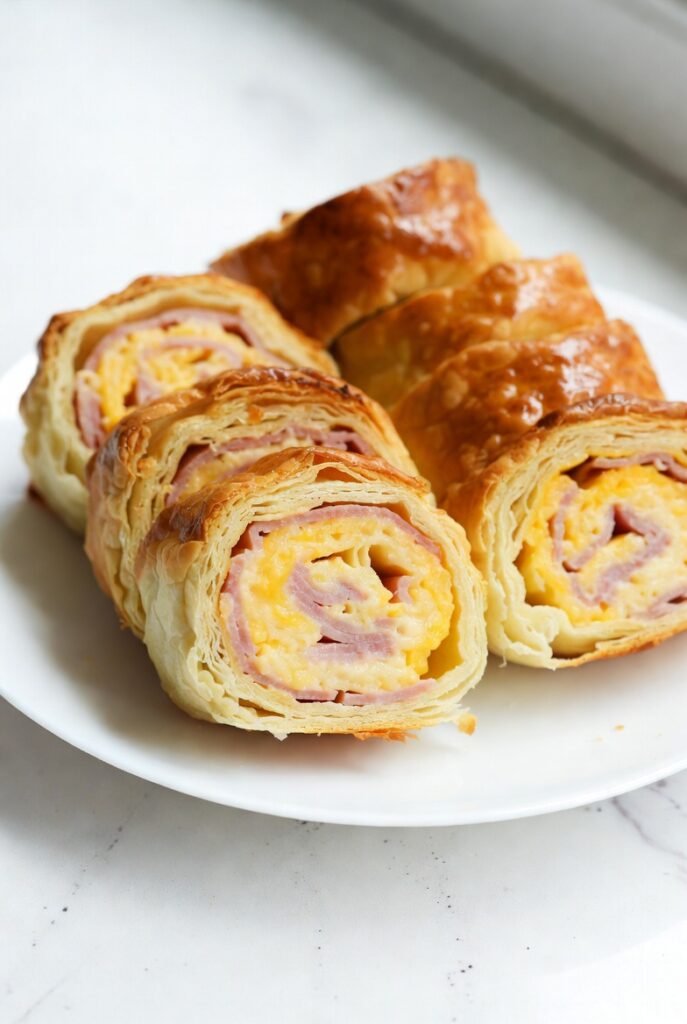
The Spiral Strategy protocol is more than a recipe; it is a “Vessel for Intentional Synergy.” It proves that “Gourmet Results” can be achieved through the mastery of “Viscous Adhesion” and “High-Tension Rolling.” By respecting the “1-Inch Border” and the “Refrigerated-Set” phase, you are delivering an appetizer that is visually “Jade-and-Gold,” nutritionally dense, and sensorially perfect.